Species of Concern
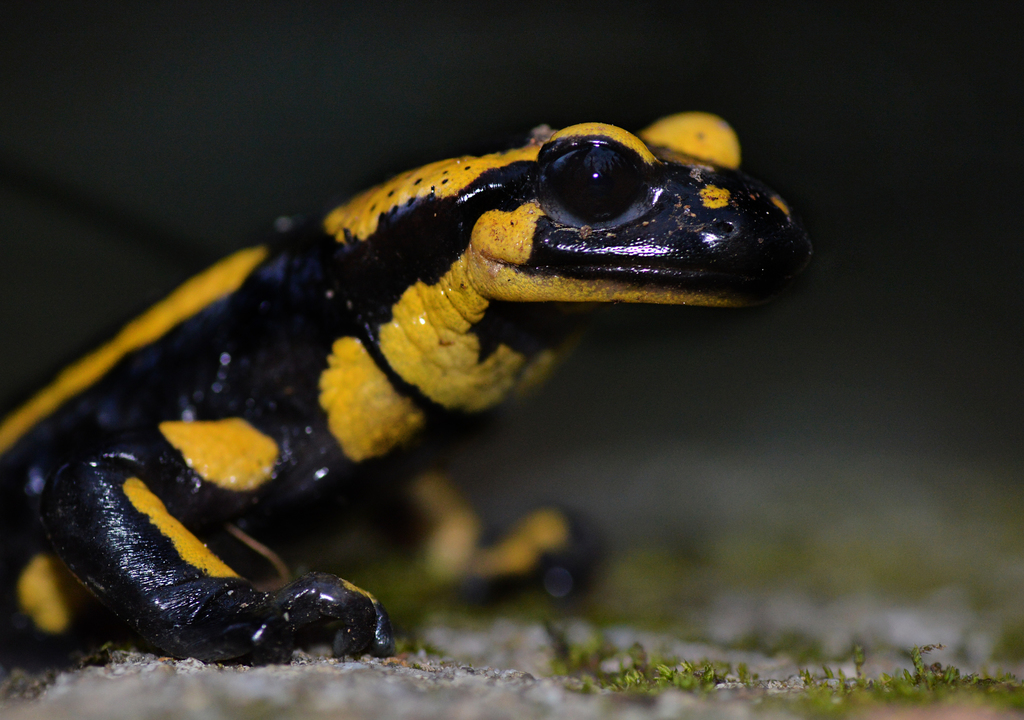
Fire Salamander
Salamandra salamandra
Also known as: Common Fire Salamander, European Salamander, Spotted Salamander
About This Species
A striking black-and-yellow salamander of damp deciduous woodland across Europe, most active on mild, wet nights and after rain, when it emerges from cover under logs and leaf litter to forage. Look along woodland streams and pools during its spring breeding period, when females release larvae directly into slow-moving water, and check damp forest floor after rainfall for the best sighting odds.
Ethical Viewing Guidelines
- This species is IUCN-listed as Vulnerable, so viewing should be limited to brief, non-handling observation from a short distance with a torch, since skin secretions and handling stress can harm the animal and human skin oils can damage its sensitive skin.
- It is a protected species in a number of European countries, with legal protection strongest where a fungal disease (Bsal) has caused severe local declines, so avoid moving individuals or equipment between sites to prevent spreading pathogens.
- Never collect, handle or relocate one, and report sightings to a local herpetological or conservation group where population monitoring is under way.
VUAmphibiaCaudataSalamandridae
Seasonal Activity
190,176 sightings · 2000–2026
Citizen science records via GBIF
All monthsThis month
Classification
- Kingdom
- Animalia
- Phylum
- Chordata
- Class
- Amphibia
- Order
- Caudata
- Family
- Salamandridae
Photo
(c) Alexandre Roux, some rights reserved (CC BY-NC-SA)
CC-BY-NC-SA-4.0
Occurrence data from GBIF.