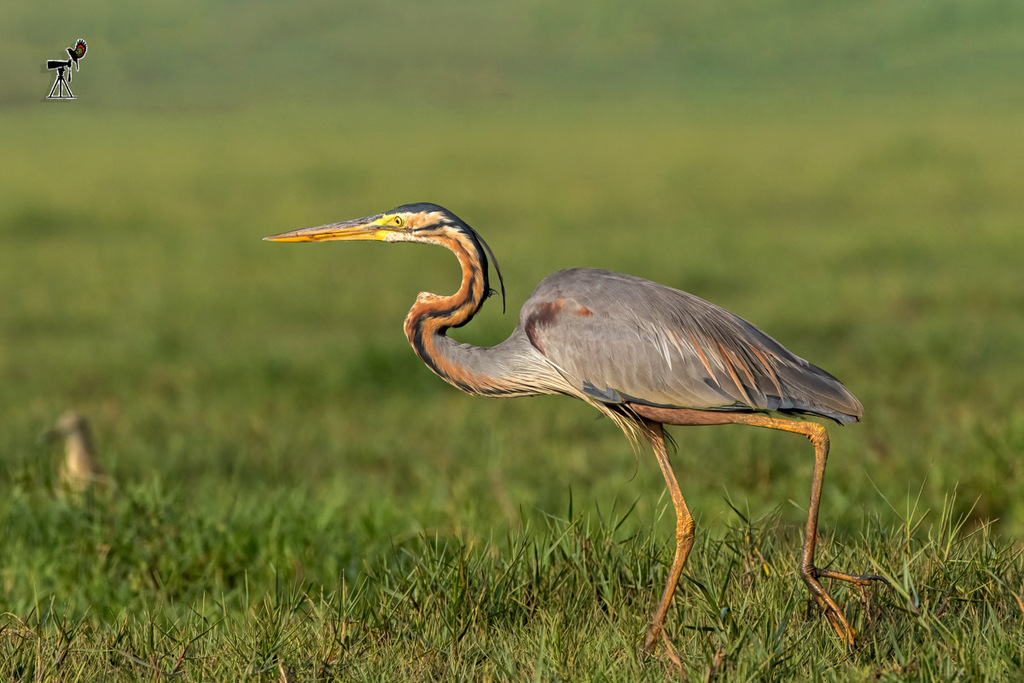
Purple Heron
Ardea purpurea
Habitat
Aquatic
Diet
VertFishScav
Active Time
Diurnal
Size
1.1 kg
About This Species
Watch reedbeds, marshes and slow rivers at dawn or dusk, where it stands motionless in shallow water before striking at fish and amphibians with a slow, deliberate lunge. Its long, sinuous neck and streaked plumage make it easy to overlook among reeds, so scanning the waterline slowly with binoculars works better than searching for movement. Breeding colonies are most active in spring and early summer, while migrants pass through wetlands further north in autumn.
Ethical Viewing Guidelines
- Keep well back from reedbeds and nesting colonies, ideally viewing from a hide or path rather than approaching the water's edge, since flushing a heron from a nest can cause it to abandon eggs or chicks.
- Colonial herons are protected under wildlife law in the European Union and many range states, with penalties for deliberate disturbance at the nest during breeding season.
- If it takes flight or freezes with neck extended, you are already too close and should retreat quietly.
LCAvesPelecaniformesArdeidae
Seasonal Activity
795,435 sightings · 2000–2026
Citizen science records via GBIF
All monthsThis month
Classification
- Kingdom
- Animalia
- Phylum
- Chordata
- Class
- Aves
- Order
- Pelecaniformes
- Family
- Ardeidae
Traits
- Diet
- VertFishScav
- Foraging
- Aquatic
- Activity
- Diurnal
- Body mass
- 1.1 kg
Photo
(c) Uday Agashe, some rights reserved (CC BY-NC), uploaded by Uday Agashe
CC-BY-NC-4.0
Occurrence data from GBIF.