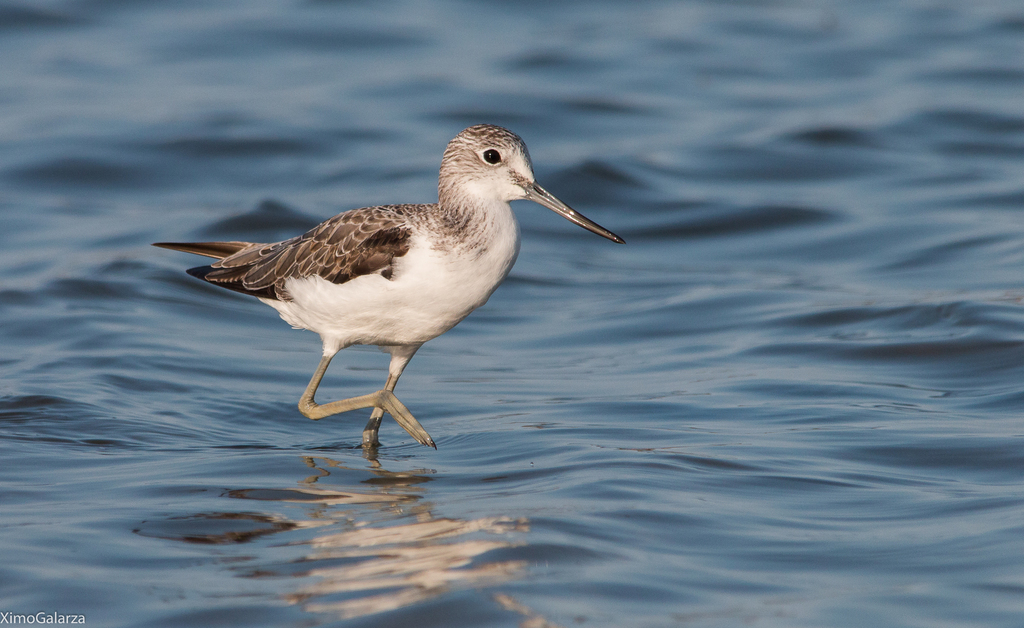
Common Greenshank
Tringa nebularia
Also known as: Greenshank
Habitat
Aquatic
Diet
Invertebrate
Active Time
Diurnal
Size
187 g
About This Species
This tall, elegant wading bird probes and sweeps its slightly upturned bill through shallow water on estuaries, mudflats, and freshwater marshes, feeding actively on small fish and invertebrates, sometimes running after prey in the shallows. Its clear, ringing three-note call is often the first clue to its presence, given both in flight and while feeding. It is mainly seen on migration, so spring and especially autumn passage periods on coastal wetlands offer the best chance of an encounter, with smaller numbers wintering in milder regions.
Ethical Viewing Guidelines
- Stay back from the tideline or marsh edge and avoid walking out onto mudflats where feeding or roosting birds are present, since flushing waders wastes the energy they need for migration.
- Protection for wetland birds and their habitats is widespread across this species' range, though the specific rules differ between countries, so follow local site guidance and any seasonal access restrictions at reserves.
- If a group of waders takes flight as you approach, you are too close and should retreat to firmer, drier ground.
Seasonal Activity
1,867,113 sightings · 2000–2026
Citizen science records via GBIF
Classification
- Kingdom
- Animalia
- Phylum
- Chordata
- Class
- Aves
- Order
- Charadriiformes
- Family
- Scolopacidae
Traits
- Diet
- Invertebrate
- Foraging
- Aquatic
- Activity
- Diurnal
- Body mass
- 187 g
Photo
(c) Ximo Galarza, some rights reserved (CC BY-NC-SA)
CC-BY-NC-SA-4.0
Occurrence data from GBIF.