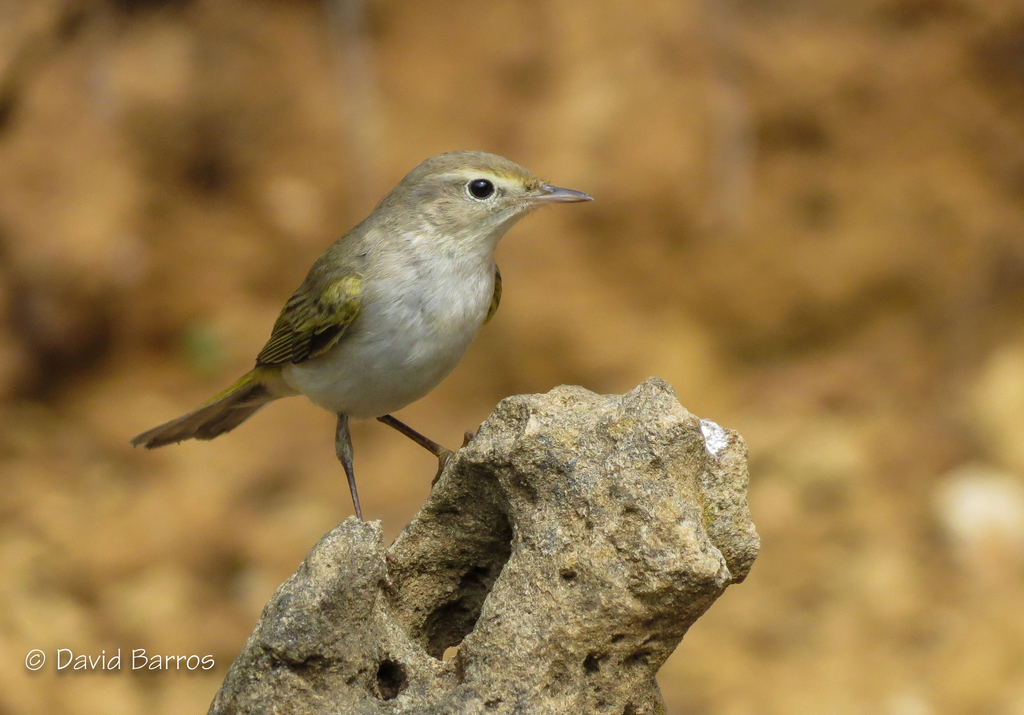
Western Bonelli's Warbler
Phylloscopus bonelli
Also known as: Bonelli's Warbler
Habitat
Canopy
Diet
Invertebrate
Active Time
Diurnal
Size
9 g
About This Species
This warbler favors open woodland canopy, especially oak, pine, and mixed forest with a light understory, where it forages actively for insects among leaves and twigs. Its song, a simple accelerating trill quite different from the similar wood warbler, is the best way to locate it in spring and early summer when males are singing from high in the canopy. It is a summer migrant to much of Europe, wintering in sub-Saharan Africa, so spring and early summer offer the best viewing.
Ethical Viewing Guidelines
- Viewing from a distance with binoculars while it forages in the canopy avoids disturbance and is the practical approach for a bird usually well above head height.
- Wild bird protections across its European breeding range and African wintering range generally prohibit nest disturbance and egg collection, though specific rules differ by country, so avoid searching for or approaching nests.
- Playback of song should be used sparingly, if at all, during the breeding season.
Seasonal Activity
210,082 sightings · 2000–2026
Citizen science records via GBIF
Classification
- Kingdom
- Animalia
- Phylum
- Chordata
- Class
- Aves
- Order
- Passeriformes
- Family
- Phylloscopidae
Traits
- Diet
- Invertebrate
- Foraging
- Canopy
- Activity
- Diurnal
- Body mass
- 9 g
Photo
(c) David Barros Cardona, some rights reserved (CC BY-NC), uploaded by David Barros Cardona
CC-BY-NC-4.0
Occurrence data from GBIF.