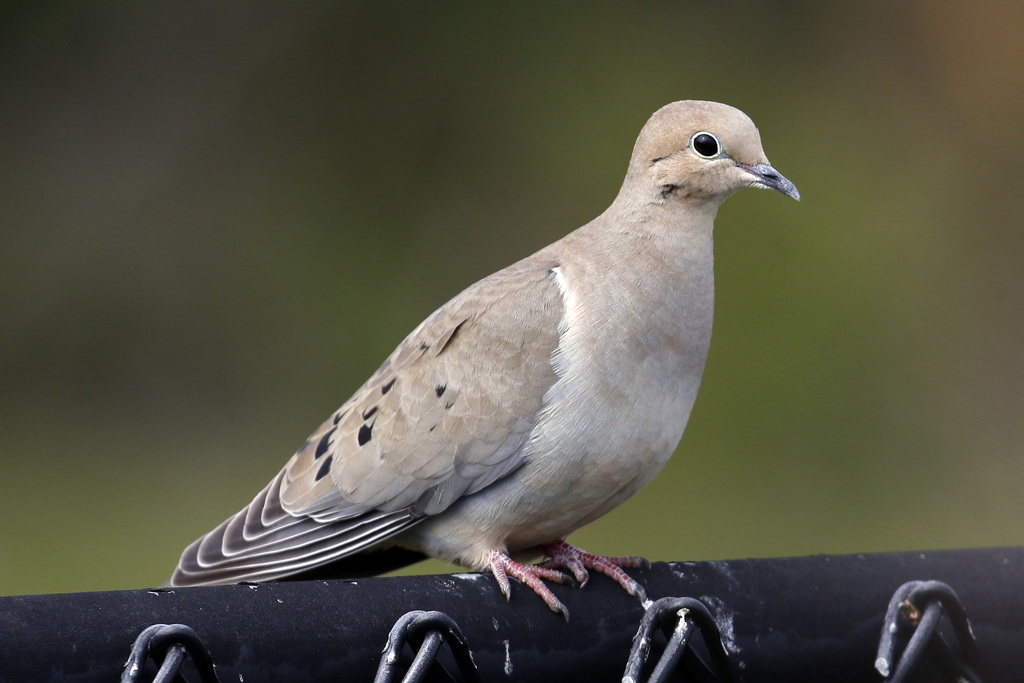
Mourning Dove
Zenaida macroura
Also known as: American Mourning Dove
Habitat
Ground
Diet
PlantSeed
Active Time
Diurnal
Size
119 g
About This Species
Its soft, mournful cooing is often the first sign of its presence, given from a wire, rooftop, or open branch well before the bird itself is spotted. Watch for its fast, direct flight and the sharp whistling sound its wings make on takeoff, a startle response to sudden movement nearby. It feeds almost entirely on the ground, walking steadily across open areas and field edges in search of seeds and grain.
Ethical Viewing Guidelines
- It is a migratory species protected under the Migratory Bird Treaty Act across most of its range, though it is also a popular game bird subject to regulated hunting seasons in many US states, so local rules can vary by location and time of year.
- Its nest is a flimsy stick platform that is easily disturbed, so keep well back if you find one and resist approaching for a closer look, especially once eggs or chicks are present.
LCAvesColumbiformesColumbidae
Seasonal Activity
26,143,103 sightings · 2000–2026
Citizen science records via GBIF
All monthsThis month
Classification
- Kingdom
- Animalia
- Phylum
- Chordata
- Class
- Aves
- Order
- Columbiformes
- Family
- Columbidae
Traits
- Diet
- PlantSeed
- Foraging
- Ground
- Activity
- Diurnal
- Body mass
- 119 g
Photo
(c) Donna Pomeroy, some rights reserved (CC BY-NC), uploaded by Donna Pomeroy
CC-BY-NC-4.0
Occurrence data from GBIF.