Species of Concern
Velvet Scoter
Melanitta fusca
Habitat
Aquatic
Diet
Invertebrate
Active Time
Diurnal
Size
1.8 kg
About This Species
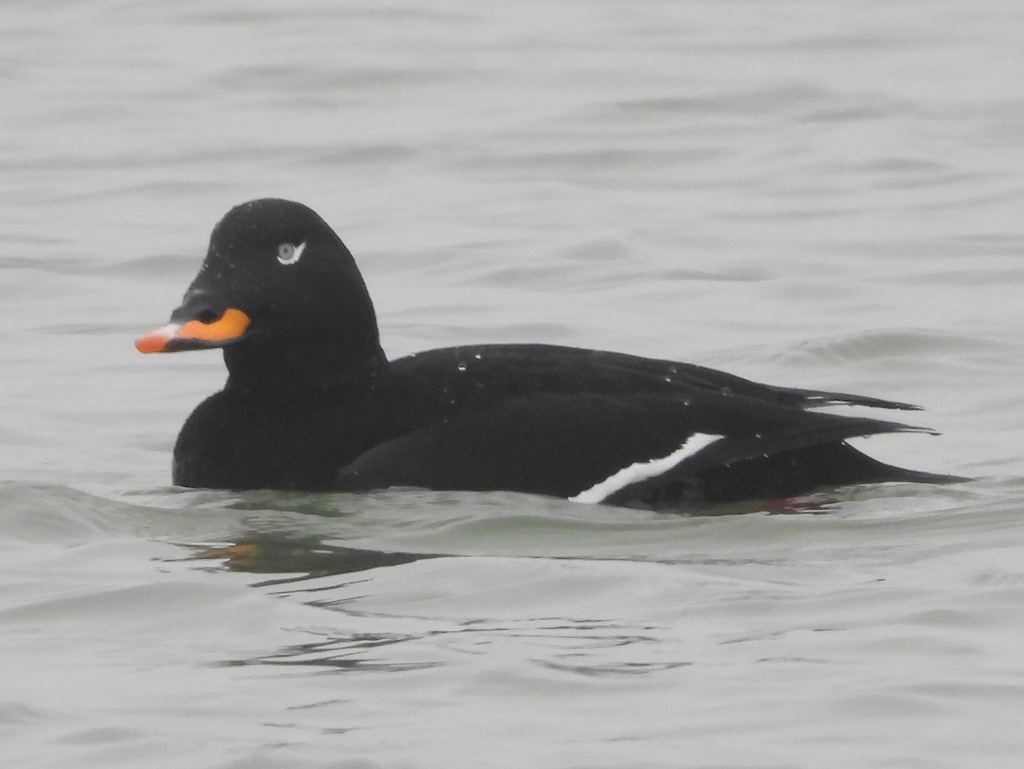
This sea duck breeds around freshwater lakes in northern taiga and forms large rafts on coastal waters in winter, where it dives for mollusks and other invertebrates. Look for the male's dark plumage set off by a white wing patch and pale eye crescent, most visible when flocks surface together after a dive. Winter along temperate coastlines, particularly sheltered bays and estuaries, offers the most dependable viewing.
Ethical Viewing Guidelines
- This species is listed as Vulnerable, so extra caution is warranted: watch wintering rafts from shore or a stationary boat at a distance that does not cause birds to dive repeatedly or swim away, and never approach close enough to split a flock.
- It is protected under wildlife and hunting regulations across its European and Asian range, though the specifics of protected status, hunting seasons, and enforcement vary significantly by country, so treat any approach as more restricted than for a common species rather than assuming a single rule applies everywhere.
- Avoid boat traffic or activity that pushes flocks off traditional wintering grounds, since disturbance compounds pressure from habitat loss and accidental bycatch already affecting the population.
VUAvesAnseriformesAnatidae
Seasonal Activity
534,227 sightings · 2000–2026
Citizen science records via GBIF
All monthsThis month
Classification
- Kingdom
- Animalia
- Phylum
- Chordata
- Class
- Aves
- Order
- Anseriformes
- Family
- Anatidae
Traits
- Diet
- Invertebrate
- Foraging
- Aquatic
- Activity
- Diurnal
- Body mass
- 1.8 kg
Photo
no rights reserved, uploaded by Лариса Артемьева
CC0-1.0
Occurrence data from GBIF.