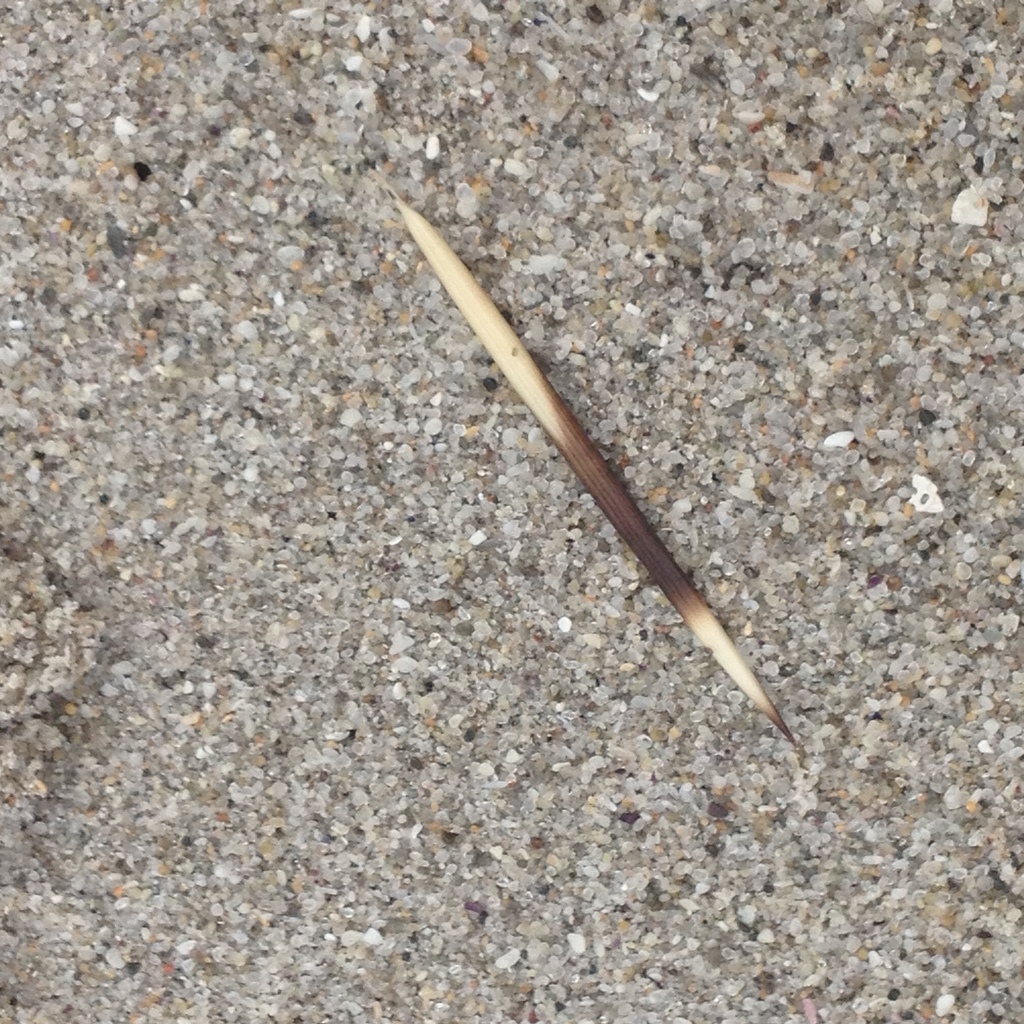
Cape Porcupine
Hystrix africaeaustralis
Also known as: South African Porcupine, Cape Crested Porcupine, Southern African Porcupine, Capecrested Porcupine
Habitat
Ground
Diet
PlantSeed
Active Time
Nocturnal
Size
14.9 kg
About This Species
A stocky, slow-moving rodent of rocky hillsides, scrubland, and woodland edges, it forages alone or in small family groups after dark, following well-worn path networks between den sites and feeding areas. Listen for the distinctive dry rattling of hollow tail quills as it moves — a sound that carries surprisingly well on still nights — and watch roadsides and trail margins for fresh diggings where bulbs, tubers, and roots have been excavated. Spotlight surveys along dirt tracks in dry-season months yield the most reliable sightings, when reduced ground cover makes movement more visible and individuals range farther from their dens in search of food.
Seasonal Activity
4,785 sightings · 2002–2026
Citizen science records via GBIF
Classification
- Kingdom
- Animalia
- Phylum
- Chordata
- Class
- Mammalia
- Order
- Rodentia
- Family
- Hystricidae
Traits
- Diet
- PlantSeed
- Foraging
- Ground
- Activity
- Nocturnal
- Body mass
- 14.9 kg
Photo
(c) wildmouse3, some rights reserved (CC BY-NC), uploaded by wildmouse3
CC-BY-NC-4.0
Occurrence data from GBIF.