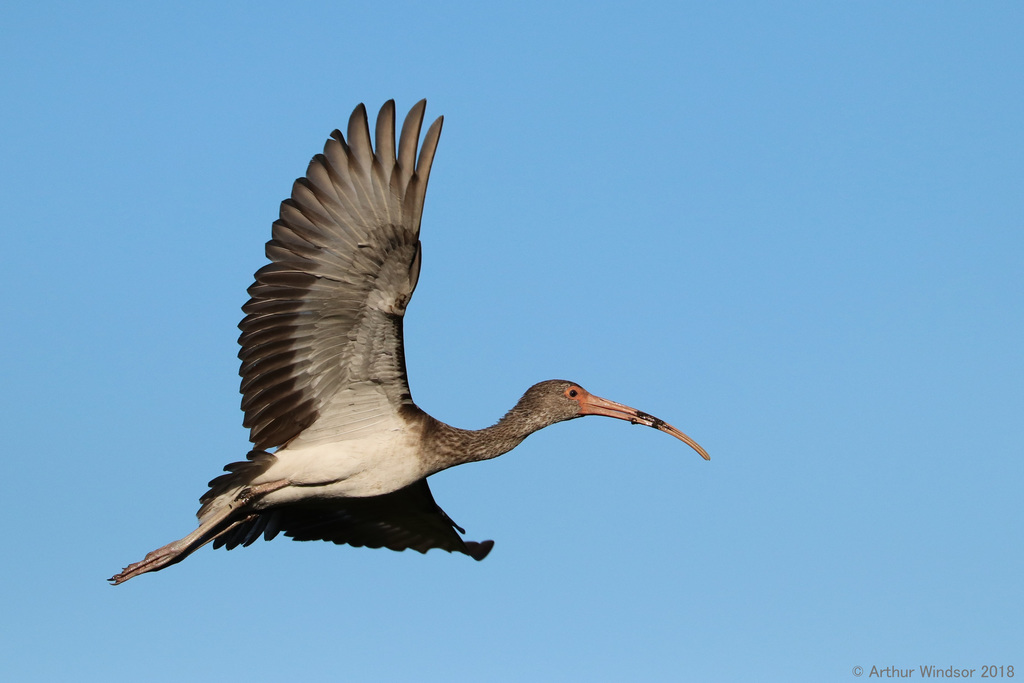
American White Ibis
Eudocimus albus
Also known as: White Ibis
Habitat
Ground
Diet
VertFishScav
Active Time
Diurnal
Size
890 g
About This Species
Look for this all-white wading bird with a long, downcurved bill probing shallow water, marshes and wet lawns for crustaceans and insects, often in noisy, gregarious flocks. It nests colonially in trees and shrubs over water, and is most visible year-round in warm coastal wetlands, with numbers peaking during the breeding season when birds gather at rookeries. Wetland edges, golf courses and mudflats at dawn or dusk are reliable places to watch it feed.
Ethical Viewing Guidelines
- View nesting colonies from at least 30-50 metres, ideally from a boardwalk, road or hide, since repeated disturbance can cause adults to abandon nests and expose chicks to heat and predators.
- Colonial wading birds and their rookeries receive legal protection in much of the southeastern United States and the wider Americas, though the specific rules vary by state and country.
- Outside colonies, feeding birds in parks and wetlands tolerate closer approach, but any bird that stops foraging and watches you is a sign to stop and back away.
LCAvesPelecaniformesThreskiornithidae
Seasonal Activity
2,268,460 sightings · 2000–2026
Citizen science records via GBIF
All monthsThis month
Classification
- Kingdom
- Animalia
- Phylum
- Chordata
- Class
- Aves
- Order
- Pelecaniformes
- Family
- Threskiornithidae
Traits
- Diet
- VertFishScav
- Foraging
- Ground
- Activity
- Diurnal
- Body mass
- 890 g
Photo
(c) Arthur Windsor, some rights reserved (CC BY-NC)
CC-BY-NC-4.0
Occurrence data from GBIF.