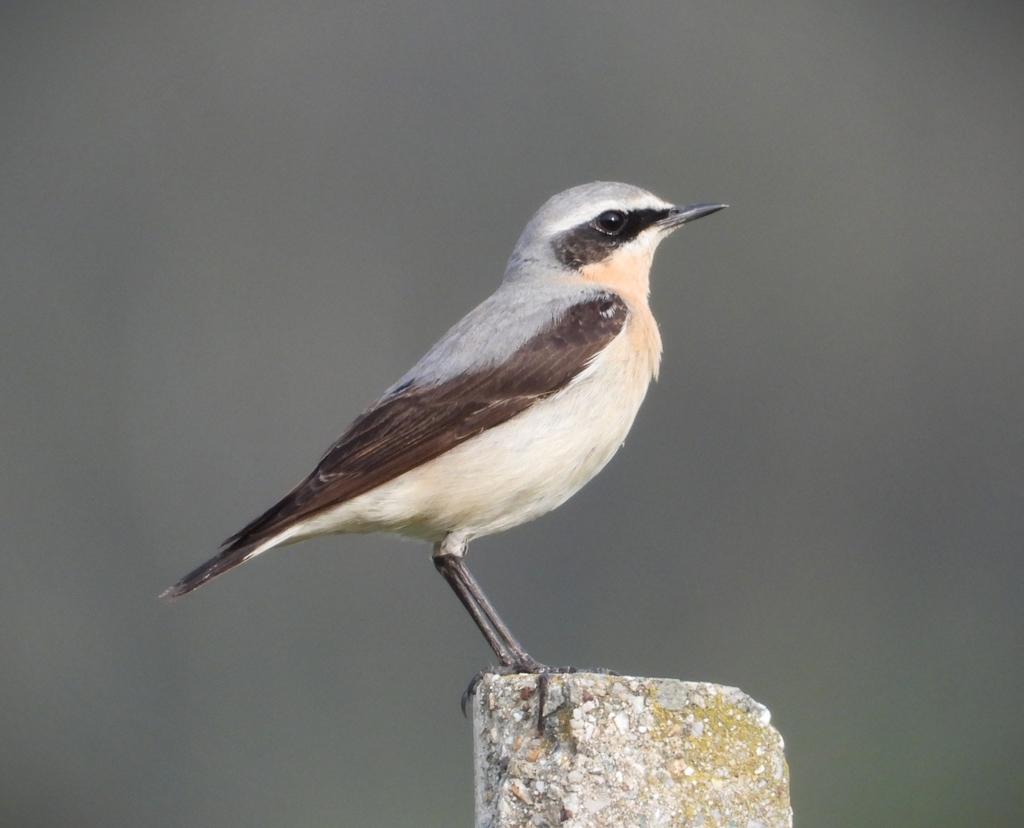
Northern Wheatear
Oenanthe oenanthe
Also known as: Wheatear
Habitat
Ground
Diet
Invertebrate
Active Time
Diurnal
Size
25 g
About This Species
This small, active chat favours open ground such as moorland, coastal dunes, upland pasture and stony terrain, perching upright on rocks or low vegetation before dropping to snatch insects. Look for its blue-grey back, black face mask and the bold white rump flashed in flight, which gives the species its name. Spring migration and the early breeding season are the best times to see it, when males display and sing from prominent perches on their newly arrived territories.
Ethical Viewing Guidelines
- Keep to paths and avoid approaching visibly agitated birds calling persistently near ground level, since this often indicates a nearby nest or fledglings on the ground.
- Ground-nesting birds and their habitats are protected under wildlife law in many countries across this species' breeding range, with specific rules varying by location, so check regional guidance, particularly on moorland or dune reserves.
- Keeping dogs on leads in open nesting habitat during spring and early summer is one of the simplest ways to reduce disturbance to this and other ground-nesting species.
LCAvesPasseriformesMuscicapidae
Seasonal Activity
1,558,985 sightings · 2000–2026
Citizen science records via GBIF
All monthsThis month
Classification
- Kingdom
- Animalia
- Phylum
- Chordata
- Class
- Aves
- Order
- Passeriformes
- Family
- Muscicapidae
Traits
- Diet
- Invertebrate
- Foraging
- Ground
- Activity
- Diurnal
- Body mass
- 25 g
Photo
(c) nfeddu, some rights reserved (CC BY-NC), uploaded by nfeddu
CC-BY-NC-4.0
Occurrence data from GBIF.