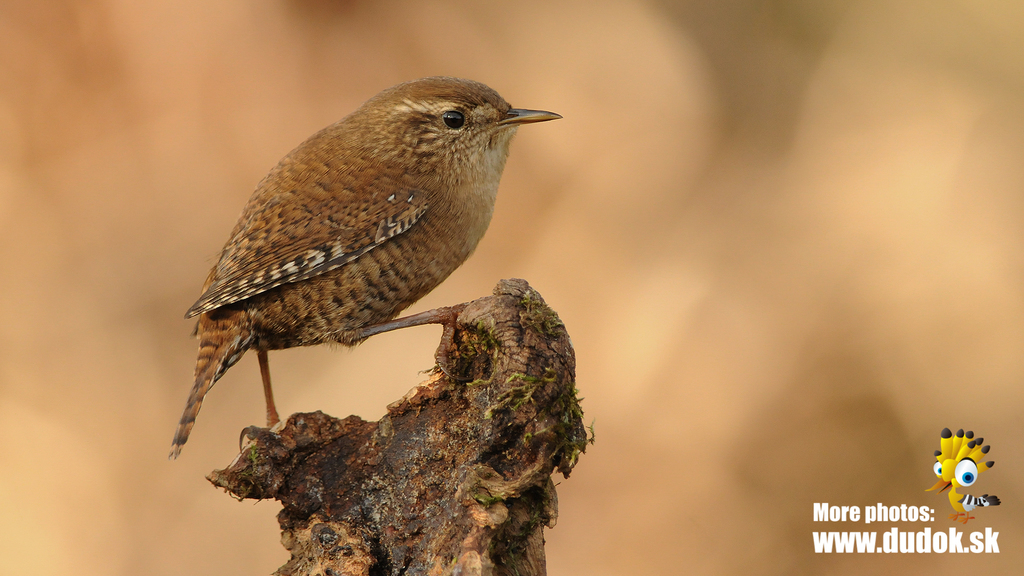
Winter Wren
Troglodytes troglodytes
Also known as: Eurasian Wren, Wren, Northern Wren
Habitat
Ground
Diet
Invertebrate
Active Time
Diurnal
Size
10 g
About This Species
This tiny, round-bodied bird favours dense undergrowth, bramble tangles and woodland edges, creeping mouse-like through low cover rather than perching in the open. It is far more often heard than seen: listen for an explosively loud, rattling song for its size, delivered from a low perch year-round including on mild winter days. Cold, calm mornings in early spring, before leaf cover thickens, give the best chance of a clear view as males sing to establish territory.
Ethical Viewing Guidelines
- Keep to paths and avoid pushing into dense scrub or bramble where a bird may be nesting low to the ground, since nests are vulnerable to disturbance and predation if repeatedly exposed.
- A stationary, quiet approach from a few metres away is usually enough to enjoy the song without flushing the bird.
- Garden and woodland populations can crash after severe winters, so avoid clearing dense low vegetation that provides cover during cold snaps.
Seasonal Activity
5,371,701 sightings · 2000–2026
Citizen science records via GBIF
Classification
- Kingdom
- Animalia
- Phylum
- Chordata
- Class
- Aves
- Order
- Passeriformes
- Family
- Troglodytidae
Traits
- Diet
- Invertebrate
- Foraging
- Ground
- Activity
- Diurnal
- Body mass
- 10 g
Photo
(c) Ján Svetlík, some rights reserved (CC BY-NC-SA)
CC-BY-NC-SA-4.0
Occurrence data from GBIF.